Training Philosophy
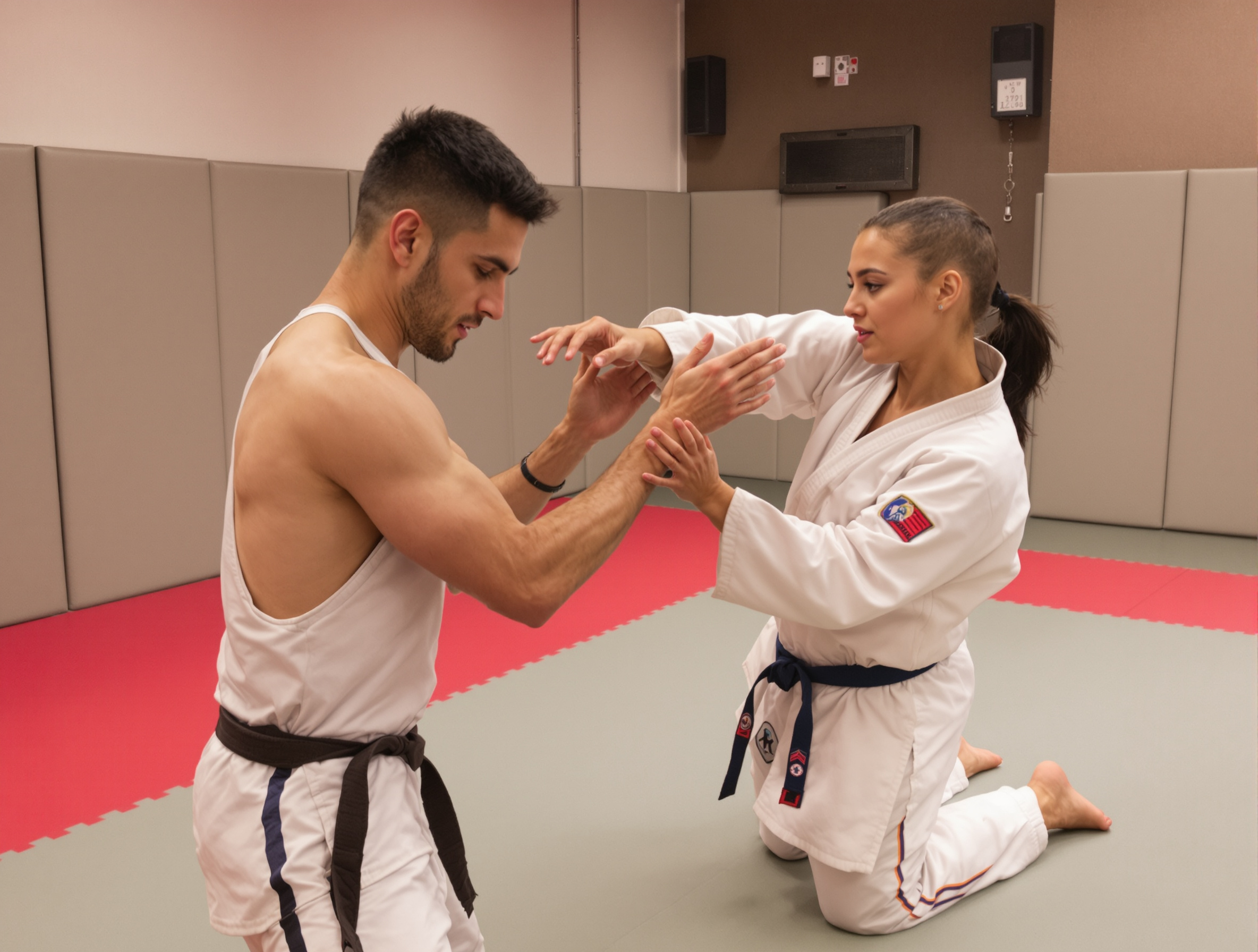
Effective self-defense training must account for how the body and mind actually function during high-stress situations. Under threat, fine motor skills deteriorate while gross motor skills remain accessible. Complex techniques requiring precise timing become unreliable while simple, powerful movements still work.
Our training methodology emphasizes:
- Simple techniques that work under stress
- Gross motor movements that remain accessible during adrenaline response
- Repetition to build automatic responses
- Realistic scenario training with appropriate protective equipment
- Stress inoculation to prepare for real confrontations
- Legal and ethical considerations of self-defense
The National Institute of Justice research indicates that resistance strategies, including physical resistance, can reduce the likelihood of completed assault. However, the same research emphasizes that every situation differs, and training should prepare people to make appropriate decisions based on specific circumstances.
Who Benefits from This Training
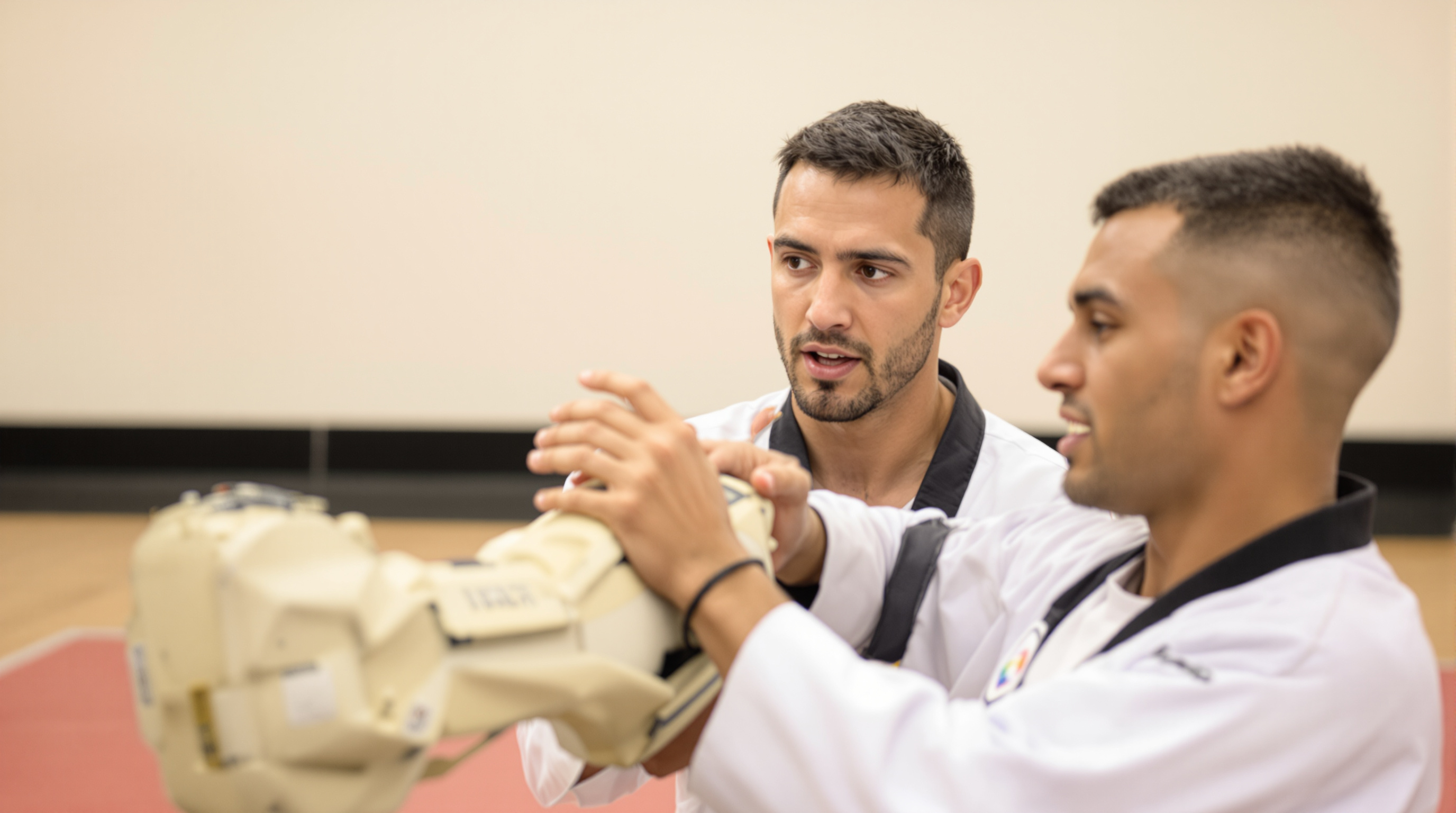
Self-defense training provides value for virtually anyone, though different people may have different primary motivations:
Women and Personal Safety
Women often face specific safety concerns that self-defense training directly addresses. Our program teaches techniques particularly effective against larger, stronger attackers, emphasizes awareness of situations where women may be targeted, and builds confidence that extends beyond physical confrontation skills.
Parents and Families
Parents want to protect their families while also teaching children to protect themselves. Training together as a family builds shared language around safety, helps children understand appropriate responses to threats, and creates bonding experiences through positive physical activity.
Fitness and Confidence
Many participants initially attracted by self-defense skills discover excellent fitness benefits. Training develops cardiovascular conditioning, strength, flexibility, and coordination. The psychological benefits of knowing you can handle threatening situations often prove even more valuable than physical skills.
Class Structure
Classes typically begin with warm-up exercises that double as physical conditioning. Core instruction covers specific techniques broken into learnable components. Partner drills allow safe practice with appropriate resistance. Scenario training applies techniques in realistic contexts. Cool-down and discussion address questions and reinforce key concepts.
No prior martial arts experience is required. We welcome complete beginners alongside those with training backgrounds. The supportive atmosphere helps everyone progress at their own pace while still providing challenges for experienced practitioners.
Getting Started
New students begin with introductory sessions covering fundamental concepts and basic techniques. This foundation ensures everyone understands core principles before progressing to more advanced material. You can start any time rather than waiting for new course cycles.
Wear comfortable athletic clothing that allows full range of motion. We provide any necessary training equipment during sessions. Most importantly, bring an open mind and willingness to learn in a supportive environment.
Inquire About Classes